Cleaning of an agricultural sprayer
28 Marzo 2018 | Blog
Before proceeding to any cleaning operation of a sprayer, you must be sure that you know perfectly the local rules. To this aim, you can ask your area agricultural services for information.
To start with, you must use adequate personal protection equipment (suitable clothes: of plastic or rubber, boots, helmet with air filters and gloves), taking into account also the weather conditions, as, if these are not optimal, it is disregarded to carry out these cleaning chores.
Herewith we indicate the steps to follow when cleaning an agricultural sprayer. We have divided these cleaning chores into 4 parts:
Steps to follow when cleaning the tank/hopper:
Remember not to empty the washing water (with cleansers and deactivators) over the vegetation.
Steps to follow in filters cleaning:
Steps to follow if your sprayer has a rinsing circuit:
If your sprayer has a rinsing circuit, carry out the rinsing operation with water inside the rinsing tank. To this aim:
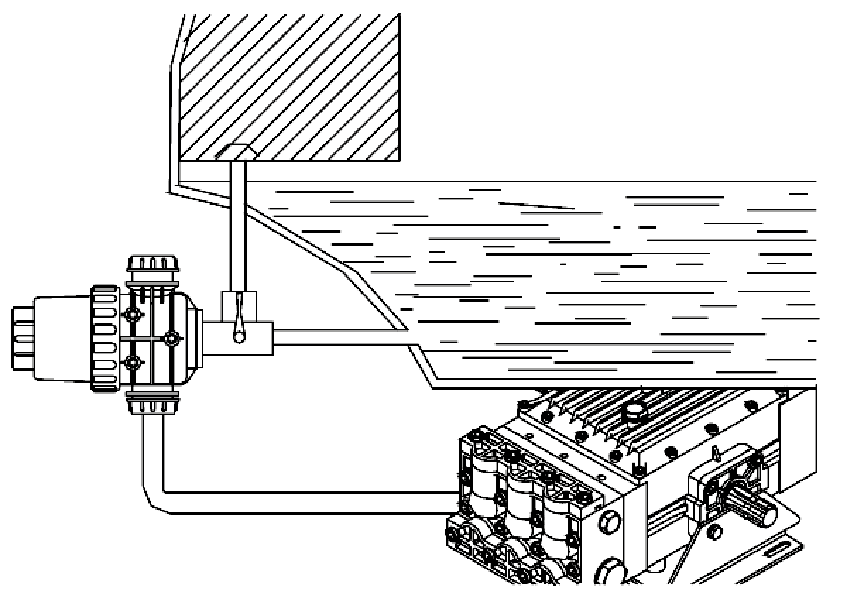
If your sprayer has a sanitary water tank, use it only for personal hygiene and nozzles cleaning.
Emptying and suppression of waste product:
As we have been mentioning throughout this article, removal of the products waste arising out of the machine's cleaning, as well as the emptying of the solid waste materials, which the tank, the filters and the circuit inside could have, should be made in an area specific to this end. This area must not be cultivated and be waterproof, to avoid filtrations of liquids towards wells, ponds, reservoirs and water streams channels and public sewage systems. Important remark: ensure yourself that the local laws allow the use of that area for emptying those products waste.
The cans that have contained chemical products can not be placed next to the remaining products waste of the land plot. Once rinsed and conveniently cleaned they must be brought to premises indicated for selective collecting of waste materials or stored in an aired and safe place until they are picked up by specialized companies in recycling dangerous products waste. If you decide to kepp those waste materials stored and order their subsequent collection by specialized companies, you must ensure that the place for provisory storing is signalised enough and without possible access of people and/or animals.
We hope that this article helps you to carry out an optimal cleaning of your machine and remember that in your sprayer's manual comes all this information thoroughly explained and with further recommendations.